Most plans don't fail on race day. They fail on a Wednesday in week five.
A plan is only as good as the week it has to live in. I write yours around the school run, the late shift and the knee that complains every March, then I change it every Sunday based on what you actually ran, not what the spreadsheet hoped for.

How the coaching works
Four steps, and only the first one is the same for everybody.
A 20-minute call
We talk about the race you want, the runs you're doing now, your work hours and any old injuries. Free, no commitment, and you leave with an honest opinion on whether your goal fits the time you have.
A baseline week
You run as you normally would and share your watch or app. I look at your easy pace, how your heart rate drifts and how you recover, so the plan starts where you are, not where a chart says you should be.
Your plan, in the app you already use
Every session has a purpose, a pace and a time it should take. Busy Thursdays get short runs. Weekends away get a plan B.
Review and rewrite
You tell me how the week felt in two lines. I read it with your data and adjust the next seven days. Missed runs are moved, never piled on.
Your paces, from one recent race
Put in a time from the last three months. These are the four speeds most of your training will use.
Most of your week. You could hold a conversation the whole way.
The second half of a long run, when the race is close.
Comfortably hard. Blocks of 8 to 20 minutes.
Short repeats of 2 to 5 minutes with jogs between.
A starting point, not a prescription. Heat, hills and sleep all move these numbers, which is what the Sunday review is for.

Plans
Pick the distance. The bars show how your weekly kilometres build, ease off and taper before race day.
For a first 5K, or a first one under 25 minutes.
- A plan written for you after the call
- Paces set from your recent race
- One rewrite in week four

What a week looks like
Week seven of a half marathon plan for someone running about 35 km a week. Tap a day.
Long run
17 km easy. If the week felt good, run the last 3 km at half marathon pace.
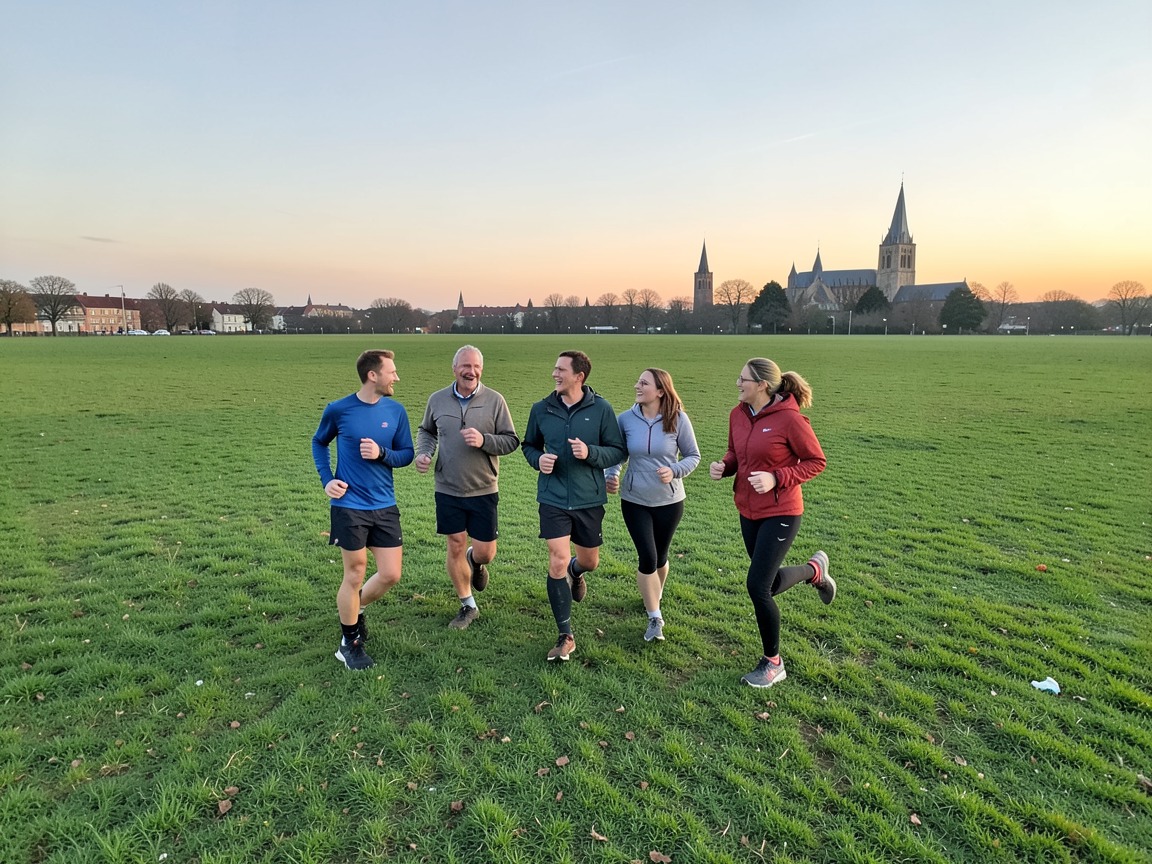
Saturdays at eight, on Błonia
Training is lonely in February. Every coached runner gets a standing invitation to the group run.

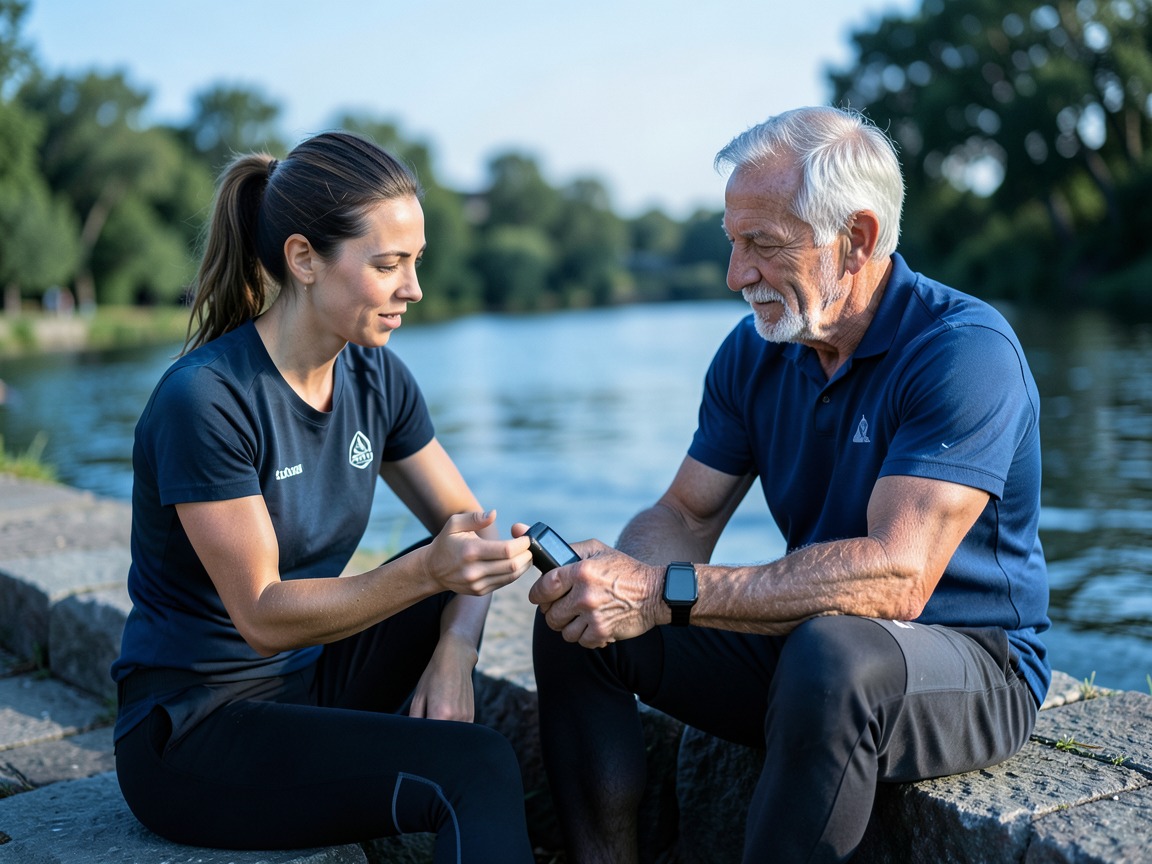
Hi, I'm Zofia
I raced 1500 m to 10,000 m for twelve years, then spent three of them injured because nobody adjusted my plan when my life changed.
That's the coaching I do now. Most of my runners are 30 to 60, have jobs and families, and want to get faster without it taking over their life. I coach in Polish and English, in person in Kraków and online anywhere.
Questions
No. About a third of my runners start with a run-walk. The plan starts from the runs you can do today.
Most coaching happens through your watch and a weekly message, so it works anywhere. You just miss the Saturday group run.
Any watch that records pace and heart rate, plus a free account on the training app we agree on during the call. A phone works too.
Yes. Coaching runs month to month. Pause for illness or holidays and pick up where you left off.
Yes, once your physio has cleared you to run. I build the return slowly and stay in touch with them if you like.
Book a free call
Twenty minutes, by phone or video. I'll reply within a day with two or three times that suit you.